Loading...
Serving Santa Barbara, CA and surrounding areas. (805) 869-0255
Elite Santa Barbara Concrete Company is a licensed concrete contractor serving Thousand Oaks, CA with foundation installation, slab work, and retaining walls for homeowners across Lynn Ranch, Newbury Park, and the hillside neighborhoods of the Conejo Valley, responding to every inquiry within 1 business day.
Most Thousand Oaks homes were built between the 1960s and 1990s, and the expansive clay soils common across Ventura County put steady stress on foundations and concrete flatwork over time. We work on those properties regularly - hillside lots in Lynn Ranch where sloped terrain and drainage require careful foundation engineering, established neighborhoods near the Amgen campus where aging slabs are overdue for replacement, and the master-planned streets of Lang Ranch where newer homes are requesting foundation work for additions and ADUs.
Thousand Oaks sits on Ventura County clay soils that expand with winter rains and shrink in the dry season - that movement is the primary reason foundations crack and shift here. Whether you are building new, adding an ADU, or replacing an aging foundation on a 1970s ranch home, our foundation installation work starts with proper soil assessment and seismic-compliant rebar placement so the structure holds through Conejo Valley winters and summer dry spells alike.
A large number of Thousand Oaks properties sit on or adjacent to hillsides, particularly in neighborhoods like Lynn Ranch, Conejo Oaks, and the streets bordering the Santa Monica Mountains open space. Retaining walls on these lots do real structural work - holding soil in place, managing drainage, and preventing erosion that can undermine driveways and patios. A wall that lacks proper drainage behind it will eventually fail, so we design both together.
Thousand Oaks homes built in the 1960s and 1970s - which make up a large share of the city's housing stock - often have original driveways approaching or past the end of their service life. The expansive soils here cause slabs to crack and shift in patterns that patching cannot fix long-term. A new driveway with proper base compaction and control joints gives those properties another 30 or more years before the next replacement is needed.
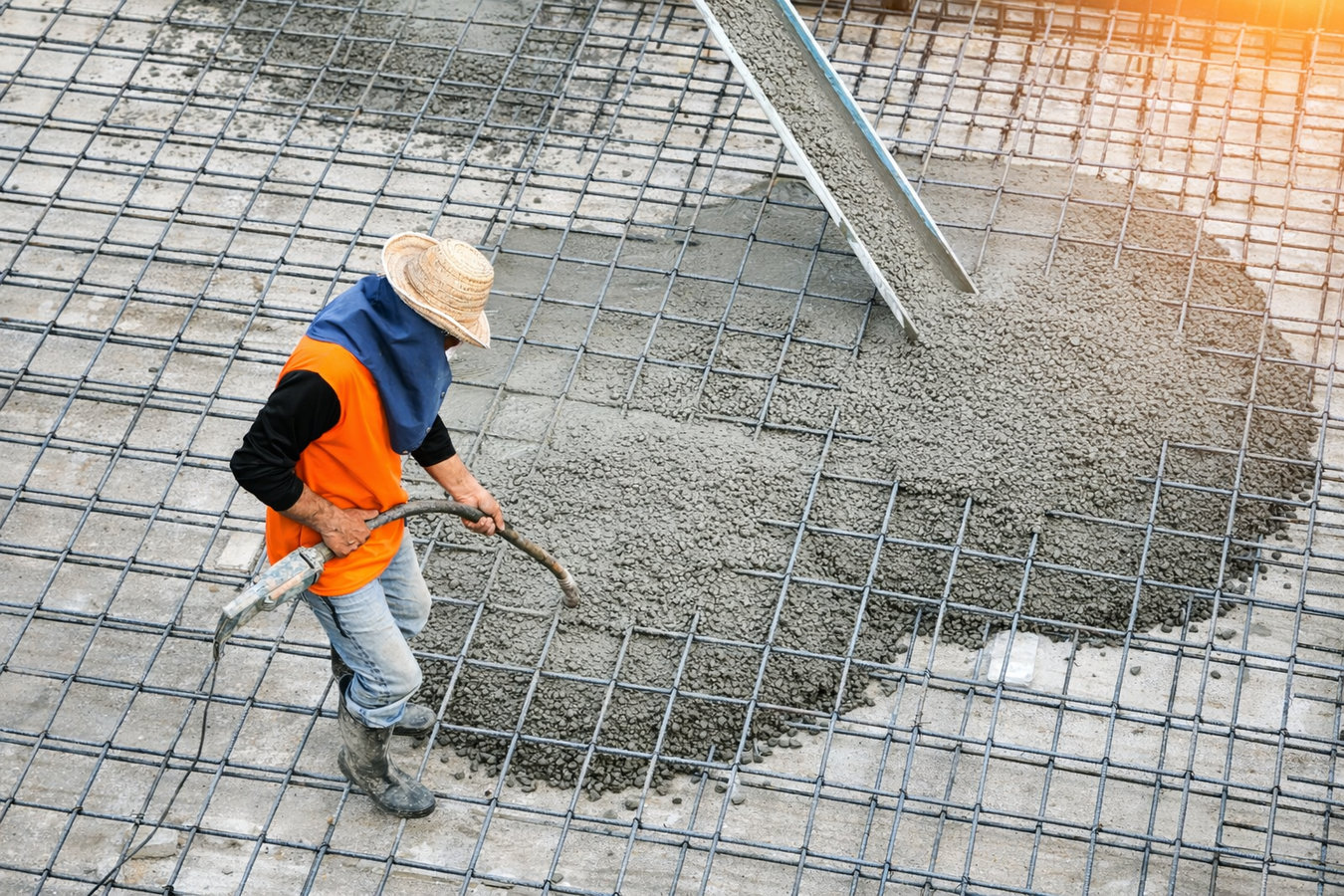
Flat and gently sloped lots throughout Thousand Oaks - common in neighborhoods near Thousand Oaks Boulevard and in parts of Newbury Park - are well-suited for concrete slab foundations. A slab built correctly for this soil requires thorough ground compaction, a gravel base layer, and properly placed rebar throughout. Skipping any of those steps on expansive Ventura County clay is a common reason slabs heave and crack within a few years of being poured.
Additions, detached garages, and ADUs in Thousand Oaks all require footings sized and placed to handle the local soil and seismic conditions. The Conejo Valley sits in earthquake country, and footings that are undersized or improperly reinforced will not perform when the ground moves. Getting the footing depth and rebar placement right at the start prevents costly structural repairs later - and it is what the city inspector will be looking at during your permit review.
Thousand Oaks is largely a city of owner-occupied single-family homes, most built between the 1960s and 1990s on medium to large lots that often back up to hillsides or canyon edges. That combination - aging housing stock, expansive clay soils, and sloped terrain - creates a specific set of concrete challenges. The wet-dry cycle in the Conejo Valley is more pronounced than on the coast: winter rains swell the soil, summer heat dries it out, and concrete that was not built to handle that movement will crack, heave, or sink over time. Foundations on hillside properties in Lynn Ranch and Conejo Oaks face additional lateral pressure from soil moving downhill, which accelerates the process.
The city also sits in an active seismic zone. The 2018 Woolsey Fire reminded Thousand Oaks homeowners how exposed the Conejo Valley is to natural events, and the same geology that creates wildfire risk also means active faults are part of the picture for foundation design. California requires seismic reinforcement - rebar embedded throughout the concrete - on all permitted foundation work, and that is a baseline here, not an upgrade. Homes that had foundation or slab work done before modern standards were enforced may not meet current requirements, which becomes relevant whenever a permit is pulled for an addition, ADU, or remodel. Knowing what era a home was built in and what the local soil profile looks like is the starting point for every concrete project in this city.
We pull permits through the City of Thousand Oaks Community Development Department and have worked on properties throughout the Conejo Valley. Hillside lots in Lynn Ranch require a different approach than the flat neighborhood streets near Thousand Oaks Boulevard - the equipment access is tighter, the drainage routing more complex, and the soil assessment more important before any concrete work begins. Newer homes in Lang Ranch are frequently seeking foundation work for ADUs and garage conversions, where permit timelines and soil preparation are the key scheduling factors.
Thousand Oaks is anchored by major employers like Amgen, whose campus sits near the Newbury Park area of the city, and by the open space corridors of the Santa Monica Mountains National Recreation Area that borders the city to the south. Many of the hillside homes closest to that open space have the most demanding site conditions we encounter in the area.
We serve the full Ventura County corridor. Homeowners to the east in Simi Valley contact us regularly for garage floor and driveway work on the area's older tract homes. To the southwest, our work in Camarillo covers a similar housing age range with its own soil and climate conditions. Call us at (805) 869-0255 or use the contact form to schedule a site visit.
Contact us by phone or through the estimate form and we will respond within 1 business day. We ask a few basic questions about the project type, the property location, and whether permits have been discussed - this helps us come prepared to the site visit rather than asking those questions on the day of the assessment.
We visit your property to look at the lot, the existing conditions, and the soil. For foundation work, this often means discussing whether a geotechnical soil report is warranted - a standard part of the process on Ventura County clay soils. We give you a written quote that breaks out each cost line so you know exactly what you are paying for before anything is signed.
We submit plans to the City of Thousand Oaks and manage the permit process. Standard residential review typically takes several weeks, and we keep you updated throughout. Once permits are approved, the crew arrives on the agreed date - excavation, base prep, forms, and reinforcement happen before the pour, and a city inspector reviews the setup before concrete is placed.
After the pour, the concrete needs time to cure - plan for light foot traffic after 24 to 48 hours and no vehicle loads for at least 7 days. We walk the finished work with you before closing out the job, explain what the curing process looks like, and confirm drainage is working as intended. You receive all permit documentation and inspection records before we leave.
We serve homeowners throughout the Conejo Valley - from Newbury Park to Lynn Ranch to Lang Ranch. Every inquiry gets a response within 1 business day and a free, written estimate after the site visit.
(805) 869-0255Thousand Oaks is the largest city in Ventura County, with a population of around 126,000 people in the Conejo Valley. It developed as a planned community starting in the early 1960s, and most of its neighborhoods - from Newbury Park in the west to Lang Ranch in the east - were built between 1965 and 1995. The city is divided into distinct communities, each with its own character: Lynn Ranch is known for its large wooded lots and equestrian properties along canyon edges, while Newbury Park is more densely developed with a mix of mid-century ranch homes and newer construction. Lang Ranch, built largely in the 1990s and 2000s, has some of the city's newer two-story homes on more standard suburban lots. Single-family ownership rates are high, and the housing stock reflects the area's long-term, stable resident base. Learn more about the city at the Thousand Oaks Wikipedia article.
The city is bookended by open space - the Santa Monica Mountains National Recreation Area to the south and rolling hill preserves to the north - and many residential streets back directly up to natural terrain. That hillside exposure is a defining feature of the property landscape here, shaping drainage requirements, foundation design, and retaining wall needs across a large portion of the city. Commercially, Thousand Oaks Boulevard serves as the main arterial corridor, with the Oaks Mall and surrounding retail serving the regional community. Homeowners here tend to be long-term residents making deliberate improvements to properties they plan to keep, which is the kind of customer base where quality concrete work pays off for decades. Our neighbors in Simi Valley share a similar housing profile - tract homes of the same era with many of the same concrete maintenance needs.
Beautiful concrete patios that extend your outdoor living space.
View serviceStrong, cleanable garage floors finished to professional standards.
View serviceStructural retaining walls that hold slopes and frame landscapes.
View servicePrecision floor installations for residential and commercial spaces.
View serviceCustom concrete steps crafted for curb appeal and durability.
View serviceSolid slab foundations engineered for long-term structural integrity.
View serviceHeavy-duty parking lots designed for high-traffic commercial use.
View serviceServing these cities and communities.
We serve homes throughout the Conejo Valley and respond to every inquiry within 1 business day. Call us or submit the estimate form to get started.