Loading...
Serving Santa Barbara, CA and surrounding areas. (805) 869-0255
Everything above ground depends on what is below it. We install foundations in Santa Barbara that are engineered for real site conditions - hillside slopes, clay soils, and the seismic requirements that come with building in earthquake country.
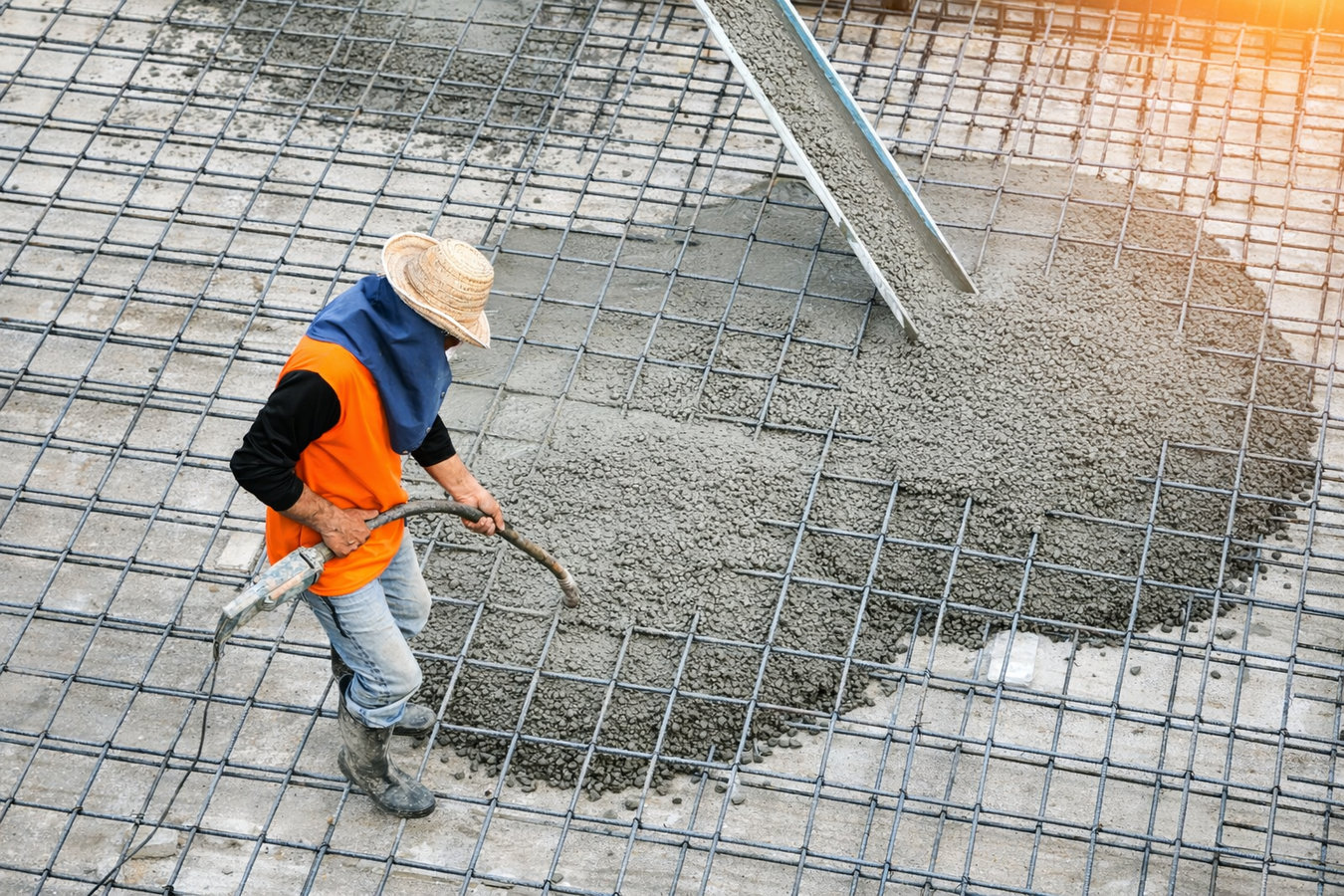
Foundation installation in Santa Barbara covers the full sequence from soil assessment and permit submission through excavation, forming, steel placement, concrete pour, inspection, and curing - a straightforward slab takes three to five days of active work, while raised perimeter foundations and hillside projects take longer, with permit review adding several weeks before any work begins.
Most homeowners contact us when they are building a new home, adding an ADU, or expanding a structure whose existing foundation cannot support the added load. In Santa Barbara, a significant share of the housing stock dates to the 1920s through 1950s - many of those homes were never built to current seismic or drainage standards, and any addition or ADU project may require the foundation to be extended or reinforced before framing can begin.
For projects where a concrete slab is the right solution for a flat or gently sloping lot, our slab foundation building service covers that scope in detail.
Diagonal cracks running from the corners of door frames or window openings are often a sign the ground beneath your home has shifted. In Santa Barbara's hillside neighborhoods, where soils can expand and contract with seasonal moisture changes, this kind of movement is more common than many homeowners realize. It does not always mean a crisis, but it does mean a foundation professional should take a look before the cracks widen.
When a door that used to swing freely starts dragging on the floor, or a window no longer latches, the frame around it may have shifted. This can happen gradually over years as a foundation settles unevenly - and in Santa Barbara's clay-heavy hillside soils, uneven settling is a known issue. If you notice it in more than one spot in your home at the same time, the foundation is worth having assessed.
A gap where your wall meets the floor - or where the ceiling meets the wall - suggests the structure has moved in a way it should not. In older Santa Barbara homes built before modern seismic standards, this can indicate that the original foundation no longer meets the demands being placed on it. This tends to be persistent and gets worse over time, so earlier attention costs less than waiting.
Santa Barbara's winter rains can be intense, and if water consistently pools against your foundation rather than draining away, it is slowly working against the concrete. Over time, water intrusion weakens the base of your home and can cause the soil beneath it to shift. Water stains along the base of interior walls after a storm are a signal worth acting on before the next rainy season arrives.
We handle the complete foundation installation process - site visit, soil assessment coordination, permit application and tracking, excavation, forming, steel reinforcement placement, concrete pour, inspection scheduling, and curing management. For hillside lots, we assess the slope and drainage before finalizing the foundation design, because a foundation designed for a flat lot will not perform on a grade. We work directly with the City of Santa Barbara Building and Safety Division on permits and inspections so you do not have to manage that process yourself.
For commercial properties and larger paved surfaces that need their own structural support, our concrete parking lot building service covers the broader site work that often accompanies commercial foundation projects. And for homeowners who are deciding between a slab or raised foundation, we will walk you through both options based on your specific lot conditions before you commit.
A single reinforced concrete pour directly on the ground - practical and cost-effective for flat and gently sloping lots that have been properly prepared.
Concrete perimeter walls with a crawl space below - suited to hillside properties and older home additions where access to utilities below the floor matters.
Extensions and tie-ins to existing foundations for room additions and ADUs, designed to meet current Santa Barbara permit and seismic requirements.
Santa Barbara sits near several active fault systems and experienced damaging earthquakes in 1925 and 1978. Every foundation built here must be engineered to handle ground movement - not just the weight of the house. The city's building review reflects that history. Hillside neighborhoods like the Riviera and the Foothills add a second layer of complexity: steeper lots require more excavation, specialized drainage, and often a stepped or deepened footing design. Coastal and lower-elevation areas have more stable soils, while clay-heavy hillside soils expand when wet and shrink when dry - a cycle that can stress a foundation that was not designed for it. The California Geological Survey publishes seismic hazard zone maps that show exactly where Santa Barbara's risk concentrations lie.
The permit review process in Santa Barbara can take six to twelve weeks for complex hillside projects - knowing that from the start lets you plan your schedule around it rather than be blindsided. We serve homeowners throughout the region, including those in Thousand Oaks and Camarillo where hillside conditions and permit requirements follow the same California standards.
We visit your property before giving you any numbers. We look at the lot, the slope, and any existing structures nearby. We reply to all initial inquiries within one business day, and no price is quoted until we have actually seen what the work involves.
For most Santa Barbara projects, a geotechnical engineer tests the soil before the foundation is designed. Once the design is finalized, we submit the permit application to the city and track the review - you do not need to visit the building department.
Once permits are approved, heavy equipment arrives to excavate the area where the foundation will sit. We discuss with you beforehand what needs to be moved or protected - plants, irrigation lines, or fencing near the work zone.
Concrete is placed into forms and shaped to the approved design. A city inspector verifies steel reinforcement and depth before the work is covered. After the pour, the concrete cures - we walk you through what the finished foundation should look like before giving final sign-off.
Free on-site visit. No price quoted over the phone. We handle the permit process start to finish.
(805) 869-0255We do not quote a hillside foundation the same way we would quote a flat one. We assess slope, drainage, and soil conditions before we give you a number - so the price you agree to reflects the actual work your property requires. No mid-project change orders because someone did not look carefully enough at the beginning.
We work across Santa Barbara and its surrounding communities, from the hillside neighborhoods above downtown to the flatter coastal areas and inland valleys. Knowing the range of conditions across all 12 service areas means we come to your property with realistic expectations - not assumptions.
Santa Barbara's building review can feel slow and opaque if you have never been through it before. We handle the permit submission, track the review, and keep you updated at every stage so you are never left wondering why nothing seems to be moving. We know how the city's process works and build that timeline into your schedule from day one.
Every foundation we install passes a city inspection before it is covered or built on. We give you a copy of the signed inspection record when the project closes. That documentation matters when you sell your home and when you need to file an insurance claim - verify licensing standards at the California Contractors State License Board.
Whether your project is a straightforward slab on a flat lot or a complex hillside foundation requiring engineered drawings, we bring the same process to every job: site visit first, complete permit submission, and work that passes inspection the first time.
Commercial and multi-unit paved surfaces that require their own structural base layer, often part of the same project as a new building foundation.
Learn moreSlab-on-grade pours for ADUs, garages, and room additions on flat or gently sloping lots where a full perimeter foundation is not required.
Learn morePermit timelines in Santa Barbara can run several weeks - the sooner you call, the sooner your project gets moving. Reach out now for a free on-site estimate.