Loading...
Serving Santa Barbara, CA and surrounding areas. (805) 869-0255
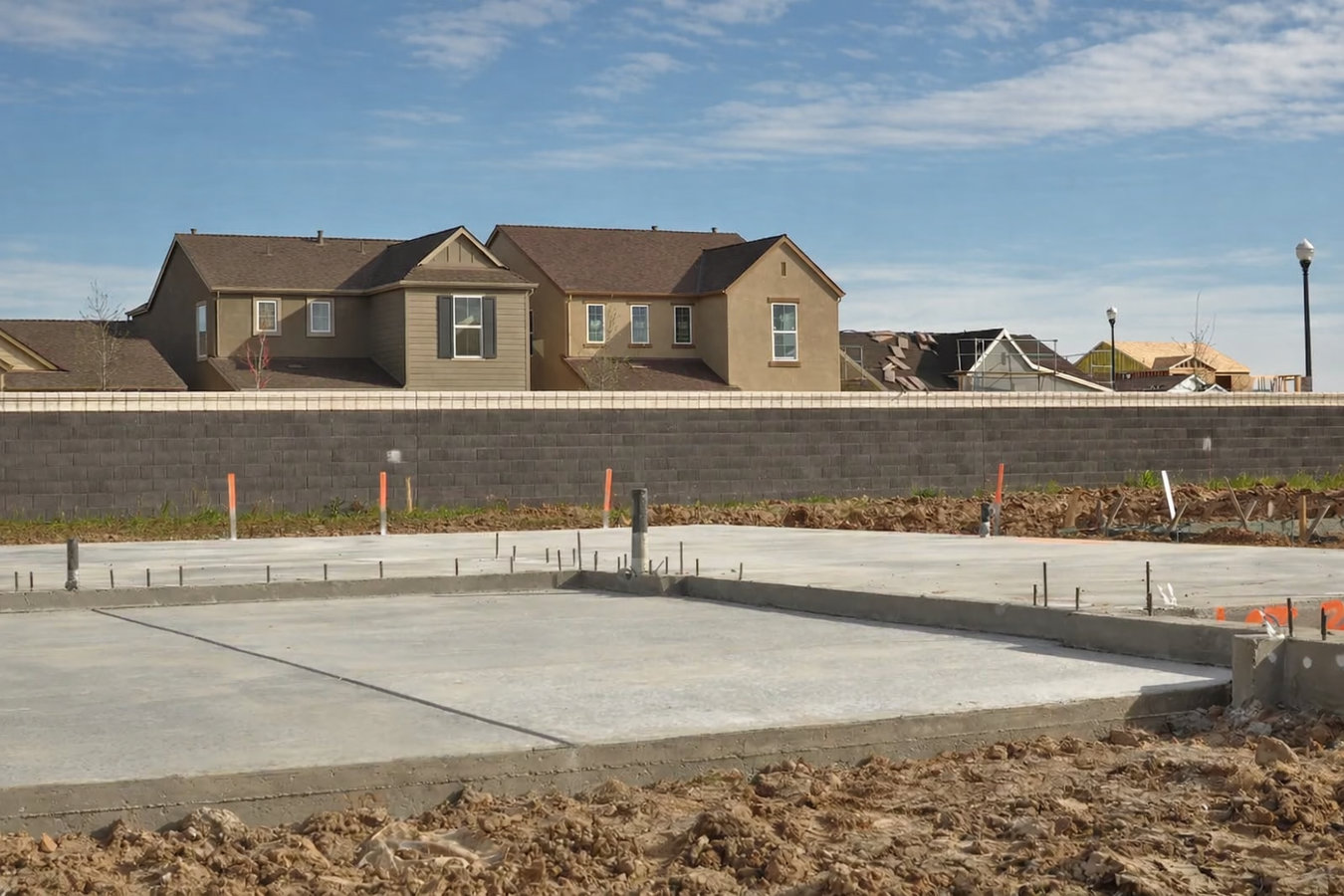
A slab foundation in Santa Barbara has to handle clay soils, hillside grades, and earthquake country. We build foundations engineered for what is actually under your property - not a generic flat-lot template.
Slab foundation building in Santa Barbara covers excavating and grading the site, compacting a gravel base, installing a moisture barrier, laying steel reinforcement, pouring concrete, and managing the curing process - most residential slabs take one to two weeks of active work, followed by a 28-day cure before heavy framing begins.
The most common reason homeowners call us is a new ADU, garage addition, or room expansion on a property that needs a fresh pour. Santa Barbara has seen a significant rise in ADU projects, and the foundation is where that work starts. Getting it right the first time is what keeps your permit process clean and your framing schedule on track.
If your project also requires structural footings beneath posts or columns, our concrete footings service works directly alongside slab work for projects where point loads need dedicated support below the slab level.
If you are adding an ADU, a garage, a room addition, or a new home on a vacant lot, a slab foundation is the first step before any framing can begin. In Santa Barbara, ADU construction is one of the most common reasons homeowners call a concrete contractor. There is no existing structure to work from - the slab is simply where every new build starts.
Small straight hairline cracks are often normal. Diagonal cracks - especially ones wider at one end - suggest the slab is moving unevenly, which usually means the soil underneath has shifted. In Santa Barbara's clay-heavy hillside soils, this kind of differential movement is more common than in stable sandy areas, and it warrants a professional assessment before the problem grows.
When a slab shifts, the walls above shift with it, and the first place most homeowners notice this is in door frames and window frames that no longer close squarely. If two or three doors in the same area of your home started sticking around the same time, that pattern points to foundation movement - not simple wood swelling - and it is worth acting on promptly.
A gap that runs along the base of a wall - especially wider in one spot than another - often means the slab has settled unevenly beneath that section. In older Santa Barbara homes built before modern soil compaction standards, this kind of settling can develop gradually and then accelerate. Easy to dismiss as cosmetic, but a foundation contractor should take a look before it gets worse.
We handle every phase of a slab foundation project - site assessment, permit application, excavation, gravel base preparation, moisture barrier installation, steel reinforcement layout, concrete pour, and curing management. For hillside or complex lots, we coordinate soil assessments before finalizing the design, because a foundation built for the wrong soil conditions will fail long before it should. We also work directly with the City of Santa Barbara Building and Safety Division throughout the permit and inspection process so you do not have to manage that yourself.
For homeowners planning an ADU or a larger addition where slope or drainage conditions make a slab-on-grade less suitable, our foundation installation service covers raised perimeter foundations as an alternative. We can walk you through both options and explain what makes sense for your specific lot before you commit to a design.
Purpose-built foundations for accessory dwelling units and room additions, designed to meet current Santa Barbara permit requirements and seismic standards.
Thicker, reinforced pours for attached and detached garages or workshops where load-bearing capacity and surface durability are the priorities.
We handle the permit application, coordinate pre-pour and post-pour inspections, and give you copies of signed inspection records when the project is complete.
Santa Barbara has two conditions that change how a foundation needs to be designed: expansive clay soils and seismic exposure. The clay soils common across hillside neighborhoods like the Riviera and Mission Canyon absorb water and expand, then dry out and shrink - that seasonal cycle puts ongoing stress on any slab built without accounting for it. The region sits in a high seismic hazard zone, which means California requires additional steel reinforcement in foundations here to help the structure move with the ground rather than crack under it. A contractor who does not factor both of these conditions into your slab design is not doing the job correctly for this location. You can verify current requirements with the City of Santa Barbara Building and Safety Division.
The city also runs a thorough permit review process - plan approval for a new slab typically takes two to six weeks before construction can begin. Hiring a contractor who submits complete plans the first time is the difference between a project that starts on schedule and one that sits in the queue waiting for corrections. We serve homeowners throughout the region, including those in Camarillo and Santa Maria where similar permit processes and soil considerations apply.
We visit your property before giving you any numbers. The site visit lets us assess soil conditions, slope, and drainage so the estimate reflects your actual lot - not a generic square footage calculation. We reply to all initial inquiries within one business day.
Once you approve the estimate, we prepare drawings and submit the permit application to the city. Plan review typically takes two to six weeks. We manage the process and keep you updated so you do not need to visit the building department yourself.
After permit approval, the crew excavates and grades the site, compacts a gravel base, installs a moisture barrier, and places steel reinforcement in a grid across the area. This phase takes one to three days for a typical residential slab.
Concrete is placed, leveled, and finished on pour day. A city inspector verifies reinforcement before the concrete is covered. The slab then cures - light framing can begin after about a week, and we manage curing conditions through the morning marine layer to prevent surface cracking.
Free on-site estimate. We handle the permit application and manage inspections - no hassle on your end.
(805) 869-0255We assess your specific site conditions before finalizing any foundation design. Hillside lots with clay soils need a different approach than flat coastal lots, and seismic exposure means reinforcement requirements here are higher than in many other states. We design for your lot - not a one-size-fits-all template.
We work throughout Santa Barbara and surrounding communities, covering hillside neighborhoods like the Riviera, flat coastal lots near the Mesa, and inland areas beyond the city. Our crew knows the range of soil and slope conditions across this region, which means fewer surprises once work starts.
Santa Barbara's plan review is thorough. Incomplete applications go to the back of the queue, adding weeks to your timeline. We know what the city requires, submit complete plans, and follow up on the review so you are not left wondering what is happening during the wait.
Santa Barbara's marine layer brings morning humidity that can slow surface curing if it is not managed. We schedule pours at the right time of day and protect the slab during the cure period so the surface sets correctly the first time. The American Concrete Institute sets the standards we follow for curing practice.
Every foundation we build passes city inspection before framing begins, and we give you a copy of the signed inspection record when the project closes. That documentation matters when you sell and when you need to file a claim.
Raised perimeter foundations and full foundation systems for properties where slope or drainage conditions make a slab-on-grade a less suitable option.
Learn moreIsolated footings for posts, columns, and structural loads that need dedicated concrete support at specific bearing points below slab level.
Learn morePermit slots at the city fill up - the sooner we submit your application, the sooner your project can break ground. Call or send us a message now.